

Ever shop online and wonder how your order actually gets to you? In this Adventure, you’ll follow a package across the country and see how AI helps at every step. You’ll discover where people need to think fast, use geography, and fix potential AI mistakes. Then you’ll illustrate an AI-enabled route in your makerspace.
Ever shopped online? Imagine clicking the “buy now” button to buy a pair of sneakers, and suddenly, artificial intelligence, or AI, is hard at work. AI is a type of technology designed to do tasks that usually need human intelligence: like learning, solving problems, and making decisions. From the moment your order is placed until the package shows up on your porch, AI algorithms, or instructions, help guide your delivery every step of the way.
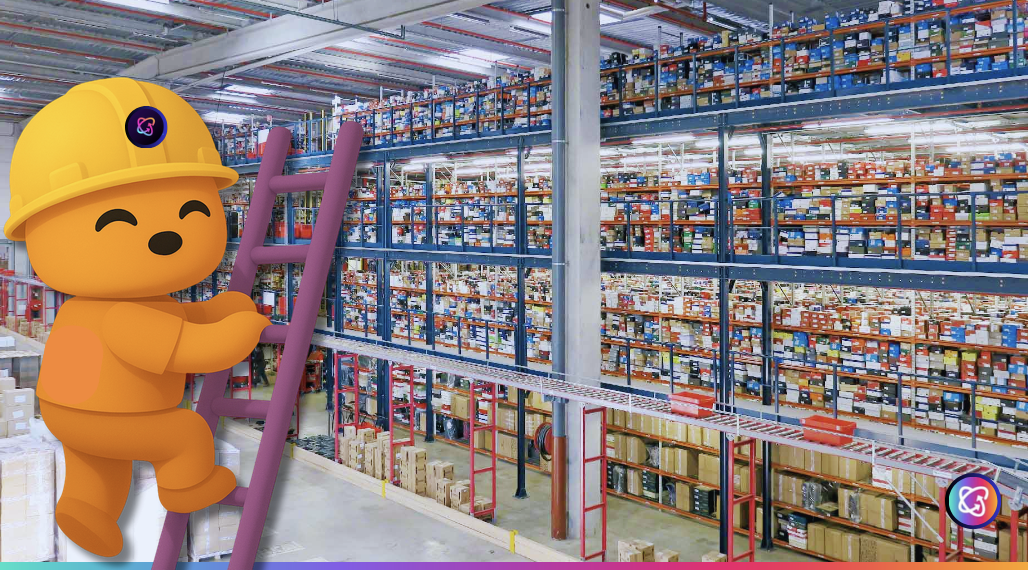
At the warehouse, a worker called a picker scans your order, finds the item on a shelf, and hands it to a packer. AI algorithms tell pickers the fastest path through the warehouse. Other programs choose the right size box, how much padding is needed, and even print the shipping label that acts like a passport for your package.
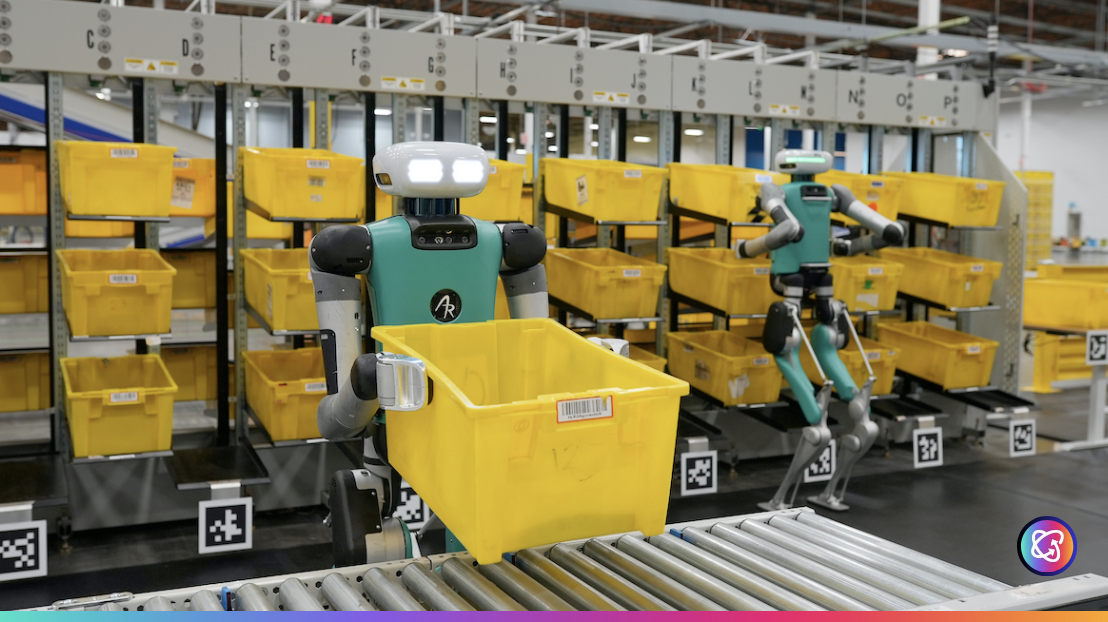
Next, the box rolls into a sorting center filled with conveyor belts and flashing scanners. AI-powered vision systems quickly read each label, and sorting algorithms send the package onto the correct ramp. Robots may lift and stack boxes, while logistics software assigns each package to the right truck or plane.
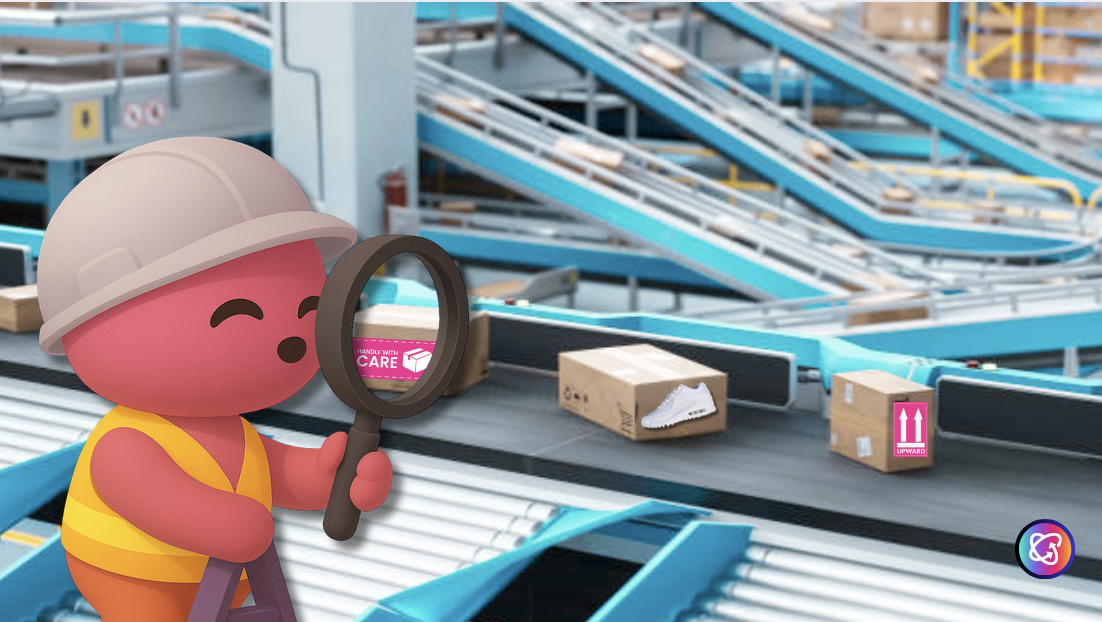
It’s important to remember, AI can make mistakes. If a package for Texas is sent toward Maine, human sorters must use their geography skills and critical thinking to spot the error and redirect it.
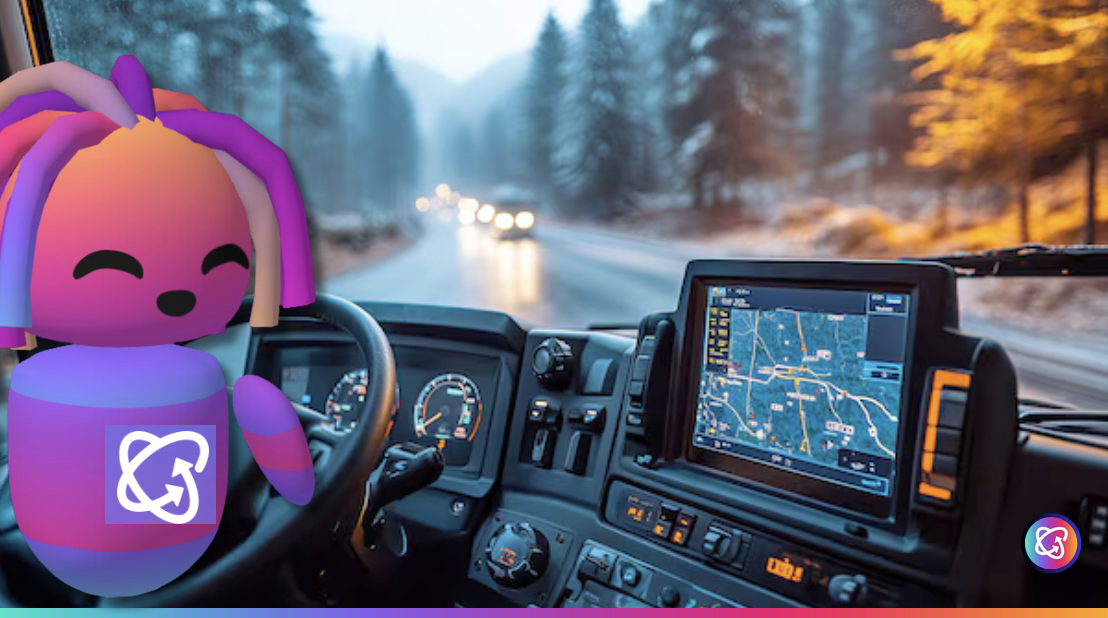
Once the package is on the move, routing algorithms take over. These systems check traffic patterns, weather forecasts, and distance to pick the fastest route. If a storm shuts down one highway, the algorithm might reroute shipments instantly. Still, people need to double-check these choices, because AI doesn’t always pick the smartest or safest options.
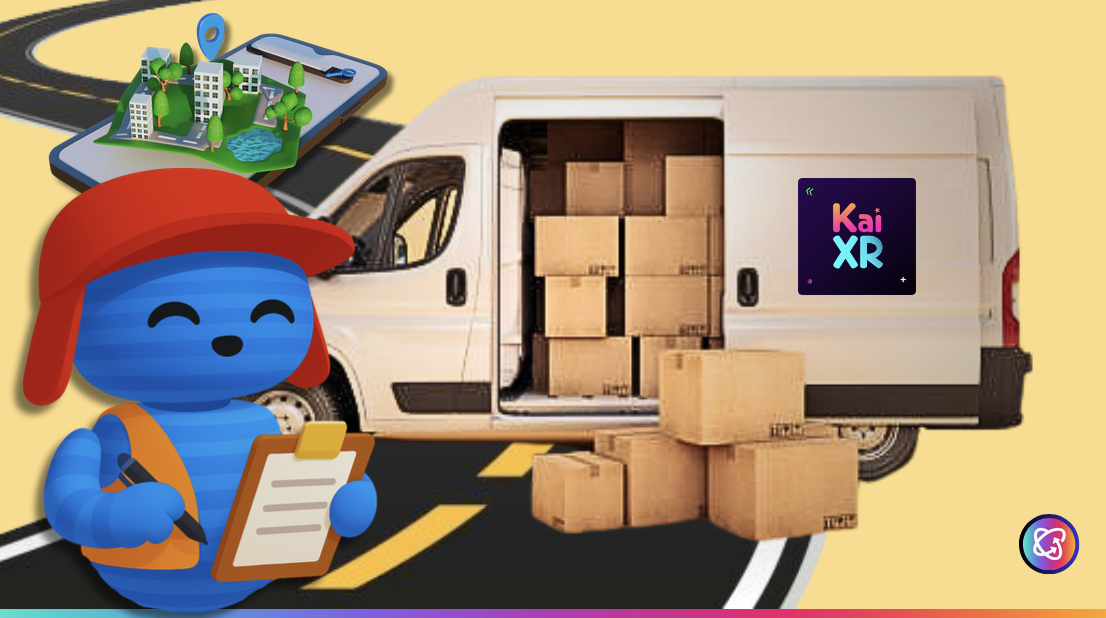
Finally, when the delivery driver loads the truck, GPS apps powered by AI algorithms plan the most efficient route through neighborhoods. They can even adjust in real time if there’s a traffic jam. But drivers also rely on their own knowledge—like which streets are under construction or which houses prefer packages left at the side door. AI makes the process faster, but human judgment keeps it accurate.
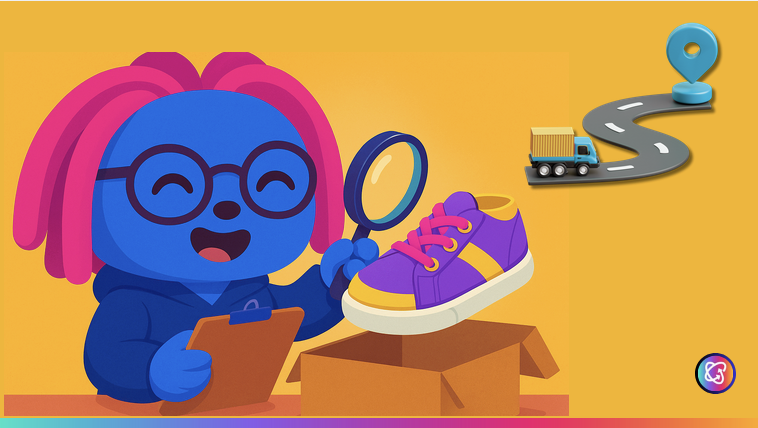
By the time your sneakers or game system arrives at your door, it’s clear: AI algorithms and human workers work side by side. Machines help speed things up and people use their skills to keep every package on track.

Move left, right, forward, backward, up, or down
.gif)

Spin or
turn around
.gif)

Make smaller
or larger
.gif)


